


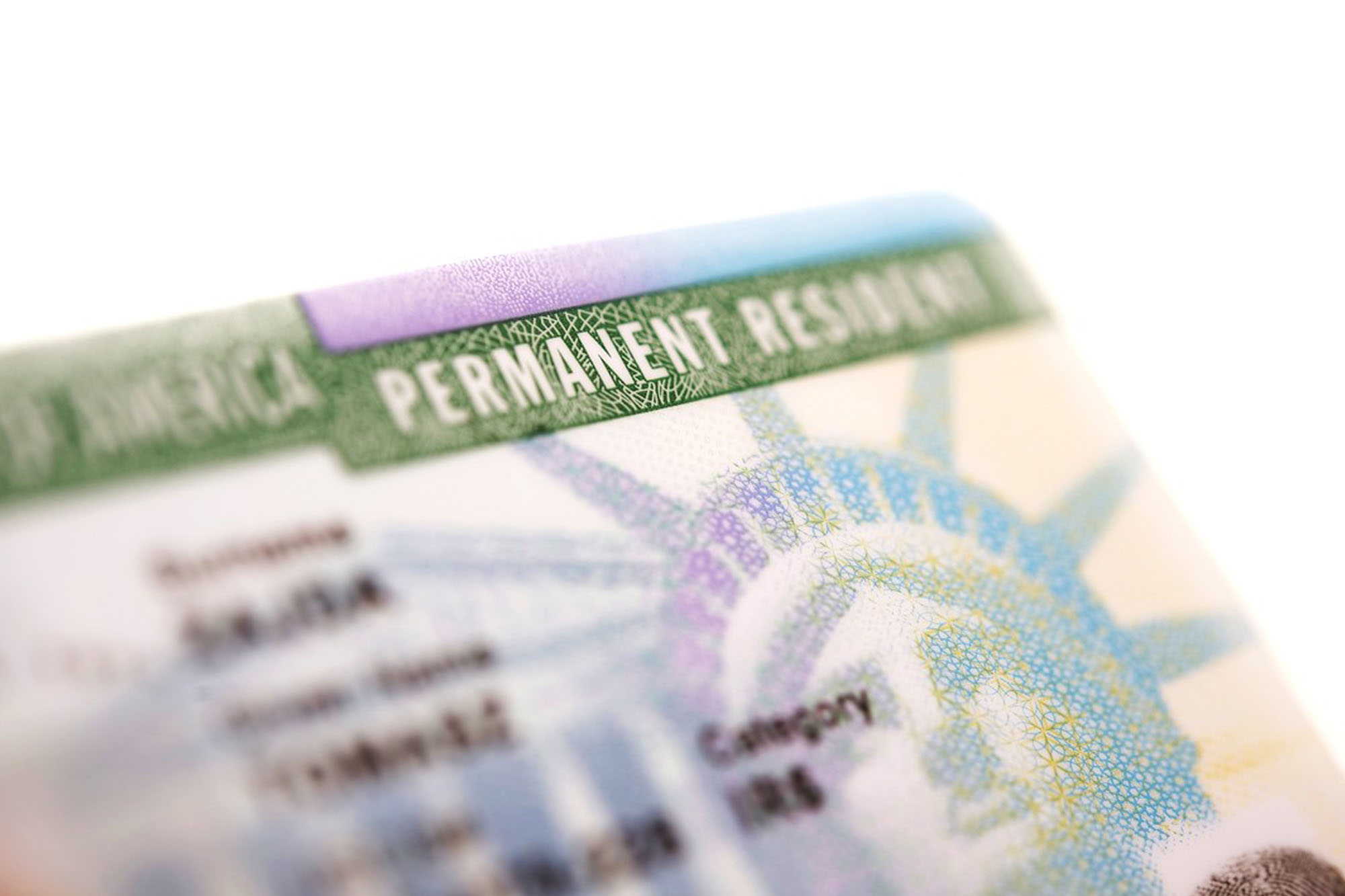
Are you a U.S. immigrant from Afghanistan, Iran, Haiti, or another travel ban country? New November 2025 immigration policy could affect your green card application—even if you’re already inside the United States.
Quick Answer: What Changed in November 2025?
The Trump administration is planning to implement a new policy, which is still under review, that will, for the first time, treat an applicant’s citizenship or nationality from countries designated as having a travel ban as a “significant negative factor” in green card applications, asylum petitions, and other discretionary immigration benefits. This means applicants from the 12 banned countries (and potentially from seven partial-ban countries) will face automatic negative factors when applying for permanent residency —regardless of how long they’ve been in the U.S. or their personal circumstances.
Key difference: The policy will make it more challenging to enter the United States; even for those already on U.S. soil, the policy will likely impact applications because the policy requires that your country of origin now be considered.
Which Countries Are Affected by the Travel Ban Green Card Restrictions?
Full Ban Countries (Automatic Negative Factors for Green Card Applications)
The following 12 nations face the strictest restrictions:
- Afghanistan
- Chad
- Equatorial Guinea
- Eritrea
- Haiti
- Iran
- Libya
- Myanmar
- Republic of Congo
- Somalia
- Sudan
- Yemen
Partial Ban Countries (Restrictions on Specific Visa Types)
These seven countries face partial restrictions that may also affect green card eligibility:
- Burundi
- Cuba
- Laos
- Sierra Leone
- Togo
- Turkmenistan
- Venezuela
How Does This Policy Affect Green Card Applicants?

What the draft of the Policy says
The draft DHS guidance designates “country-specific factors”—meaning your nationality from a banned nation—as a significant negative factor in USCIS determinations for and requires a “discretionary analysis” for the following applications:
- Green card (lawful permanent resident) applications
- Asylum and withholding of removal petitions
- Parole and discretionary relief
- Work authorization and other immigrant benefits
This “discretionary analysis” calls for an assessment of positive and negative factors before approval. It is a major shift from the previous policy, where the country of origin was not a basis for a negative inference.
Real-World Impact on Different Visa Categories
Employment-Based Green Cards (EB-1, EB-2, EB-3, PERM Labor Certification)
Even highly skilled workers with job offers may face delays or denials simply due to their nationality. The PERM Labor Certification process—already lengthy—now includes an additional negative factor at multiple stages.
Family-Based Green Cards
If you’re seeking to bring a spouse, child, or parent to the U.S., or if you’re petitioning for them to adjust status, the new policy adds scrutiny based on the beneficiary’s country of origin.
Asylum Claims
Applicants from travel ban countries now start their asylum adjudication with a documented negative factor, which USCIS officers will consider in credibility and eligibility determinations.
Already-Pending Applications
If your green card application is in process now, USCIS may add this additional criterion for consideration of your case under the new policy, particularly if it hasn’t been decided yet.
Are You Already Protected If You Have a Green Card?

The settled expectations could well be changed. However, a permanent resident is supposedly exempt from the policy. However, additional screening, such as on social media accounts, is already underway and can impact permanent residents. How the policy will be carried out remains to be seen, and likely, enforcement against individuals who are already permanent residents will likely result in court challenges.
Current Green Card Holders: Limited Protection
- Lawful permanent residents (LPRs) with existing green cards are technically exempt from the travel ban itself
- You retain the right to travel outside the U.S. and return as a green card holder
- However, the new policy creates heightened scrutiny at ports of entry
Travel Recommendation: If you hold a green card from a banned country, until the policy is implemented, it is recommended to limit international travel. CBP agents at airports have increasingly conducted secondary inspections of green card holders from these nations, and while they can’t deny you entry, extended questioning and document verification can occur.
Green Card Holders Applying for Citizenship (Naturalization)
If you’re a current green card holder seeking to become a U.S. citizen, the new policy should not directly impact your naturalization application. However, USCIS may request additional documentation to confirm your good moral character and ties to the U.S., particularly if you travel frequently. USCIS has already imposed new criteria relating to moral conduct, which may also impact review.
Key Exemptions and Exceptions to the Policy
Not everyone from a banned country is equally affected. In addition to permanent residents, other Important exemptions include:
Dual Nationals
If you hold a passport from a non-banned country, you may travel using that passport and avoid the green card restriction policy—though disclosure of your banned-country citizenship on I-485 or I-539 applications is still required.
Immediate Family Members of U.S. Citizens
The policy provides potential exemptions for:
- Spouses of U.S. citizens
- Unmarried children under 21 of U.S. citizens
- Parents of U.S. citizens (21+)
People with Valid Visas Issued Before June 9, 2025
If you received an immigrant visa before the June travel ban took effect, you will likely be exempt from the new policy.
Diplomats and Special Immigrant Visa (SIV) Holders
Afghan and Iraqi SIV holders retain exemptions, as do certain diplomatic personnel.
International Athletes
Participants in the 2026 FIFA World Cup and 2028 Los Angeles Olympics are exempt.
How This Affects Specific Immigration Processes

Employment-Based Green Cards (Most Affected)
If you’re applying through an employer for an EB-2 green card (advanced degree, national interest waiver) or EB-3 (skilled worker), here’s what changes:
- PERM Labor Certification: Your country of origin is now a documented negative factor in the PERM process. Expect longer review times and potentially additional requests for evidence.
- I-140 Petition: USCIS may request supplemental evidence to overcome the “country-specific” negative factor.
- I-485 Adjustment of Status: The green card interview now includes questions about your country and why you shouldn’t be denied based on national-origin factors.
Action Step: If you’re pursuing an employment-based green card, consult an immigration attorney NOW before the final policy is published. Timeline matters—applications submitted before policy finalization may receive different treatment.
Business Visas (H-1B, L-1, O-1) and Green Card Transition
The Trump administration issued separate restrictions on H-1B workers in September 2025 (requiring a $100,000 fee for entry). Combined with the new green card policy, foreign workers transitioning to permanent residency face compounded obstacles:
- H-1B holders from banned countries pay the extra fee to enter or return
- Then face negative factors on their green card application
This creates a financial and legal bottleneck for companies trying to sponsor workers from these nations.
What About Family Reunification Cases?
Bringing Relatives from Banned Countries
If you’re a U.S. citizen or green card holder seeking to bring family members from Afghanistan, Iran, Haiti, or other restricted nations, the new policy affects:
- I-130 Relative Petition Approval Times: May increase due to additional scrutiny
- Consular Processing: Family members may face longer visa interview waits and additional security background checks
- Green Card Eligibility: Your relative’s green card adjudication includes the new negative factor, even with a strong family relationship
Key Point for Immediate Relatives of U.S. Citizens
While immediate relatives of U.S. citizens traditionally have priority processing, the new policy introduces discretionary factors that may delay processing, even for immediate family.
Timeline: When Does This Policy Take Effect?
The new green card policy is still in draft form as of November 2025. However:
- DHS has circulated guidance to USCIS field offices
- Preliminary enforcement may already be occurring at some service centers
- Final policy is expected within weeks or months
What this means: Don’t wait for the final rule. If you’re planning to apply for a green card, the time to act is now, before the policy is finalized and fully implemented.
What Should You Do Immediately?
For Pending Green Card Applicants
- Do not travel internationally outside the United States unless absolutely necessary—even with valid visa documentation
- Gather supporting documentation NOW that demonstrates:
- Your employment history and contributions to the U.S. economy
- Community ties and family connections
- Educational achievements
- Medical history (if applicable)
- Contact your employer if on H-1B or other visa to discuss timeline and strategy
- Consult an immigration attorney experienced in travel ban cases before proceeding
For Those Planning to Apply
- Prepare your case file immediately—don’t wait for the policy to be finalized
- Consider expedited processing options if available through your employer or visa category
- Understand your backup options:
- Family-based alternatives if employment-based is uncertain
- Temporary visa extensions (H-1B, L-1) while awaiting policy clarity
- Special visa categories (SIV, humanitarian visas) if applicable
- Consult a travel ban and immigration attorney before making any decisions about international travel or visa status changes
For Current Green Card Holders
- Minimize international travel unless absolutely necessary
- Maintain documentation proving your ties to the U.S. (tax returns, employment letters, lease agreements)
- Avoid political activities that could invite scrutiny
- Keep your address current with USCIS
- If traveling internationally, carry all required documentation:
- Green card
- Valid passport
- Re-entry permit (if you’ll be abroad 6+ months)
- Travel letter from employer (if applicable)
Frequently Asked Questions

Q: If I’m already in the U.S. on an H-1B visa from Iran, can I still apply for a green card?
A: Yes, but the application now faces automatic negative factors. You can still apply, but expect longer processing times, more document requests, and a higher bar for approval. An experienced immigration attorney can help you build the strongest possible case and potentially identify alternative pathways.
Q: Does this policy apply to green card holders already in the United States?
A: No. Current green card holders retain their legal permanent resident status. However, if they travel internationally and attempt to re-enter, they may face heightened scrutiny at ports of entry. Avoid international travel if possible.
Q: Can I appeal a green card denial based on this policy?
A: Yes. If your green card application is denied citing “country-specific factors,” you have appeal rights. An immigration attorney can help challenge the denial by:
- Arguing the policy is applied arbitrarily
- Presenting evidence of your individual circumstances
- Seeking a waiver if applicable
- Exploring alternative visa categories
Q: What if I have a job offer from a major tech company—does that help?
A: Your employer strength matters, but the new policy adds a discretionary negative factor that even prestigious employers may not overcome. However, a strong case—including NIW (National Interest Waiver) evidence, job criticality, and employer support—may improve your chances. Consult an immigration attorney about your specific situation.
Q: How long will this policy be in effect?
A: The policy is being issued through an executive action or DHS guidance, which can theoretically be changed by future administrations. However, it may remain in effect for years. Plan for long-term implementation.
Q: Can I move to a different visa category to avoid this policy?
A: Possibly. Temporary visa categories (H-1B, L-1, F-1) are not directly affected by the green card policy. However, once you apply for a green card sponsorship, the policy applies. Some visa holders may benefit from extending their stay on temporary visas while awaiting policy changes.
Why This Matters: Context on the Travel Ban and Green Cards
June 2025 vs. November 2025: What Changed
The original June 2025 travel ban primarily barred entry into the United States for nationals of 12 countries. Travel to the U.S. itself was the issue.
The November 2025 policy is fundamentally different. It targets people already in the United States seeking permanent residency. This expands the ban’s impact from entry restrictions to permanent restrictions.
Who Faces the Greatest Risk
- EB-2 and EB-3 green card applicants (employment-based workers)
- Family reunification applicants from banned countries
- H-1B workers on temporary visa pathways
- Asylum seekers from restricted nations
- PERM Labor Certification applicants (pre-green card stage)
How an Immigration Attorney Can Help
Given the new restrictions, consulting a specialized immigration attorney is essential. A qualified lawyer can:
- Assess your individual circumstances and visa options
- Develop a timeline for green card applications before final policy implementation
- Identify alternative visa categories if employment-based is compromised
- Build a comprehensive case file that overcomes the negative factor
- Represent you at USCIS interviews and appeals
- Monitor policy developments and adjust strategy as the rule evolves
- Advice on travel and other decisions that could impact your case
Bottom Line: Act Now
The new Trump green card policy for travel ban countries is still evolving, but the direction is clear: nationals from 12 banned countries and seven partial-ban nations face automatic negative factors in green card applications.
If you’re planning to apply for a green card, or if you have an application pending, don’t wait. The time to consult an immigration attorney and prepare your case is now—before the policy is finalized and enforcement tightens.
The stakes are high. This policy determines whether you can achieve permanent residency in the United States or face delays that could take years.
Get Expert Help: Oltarsh & Associates, P.C.
Oltarsh & Associates specializes in complex immigration matters, including employment-based green cards, family reunification, and travel ban cases. If you’re a national from an affected country seeking permanent residency, our NYC immigration attorneys can:
- Evaluate your green card eligibility under the new policy
- Develop a strategic application timeline
- Build the strongest possible case for approval
- Represent you through the entire process
- Advice on international travel and visa status
Contact Oltarsh & Associates, P.C. for a free case evaluation by calling 212-944-9420 or sending us an email.
This article is provided for informational purposes only, and does not constitute legal advice nor does it create an attorney–client relationship with Oltarsh & Associates, P.C. or any of its lawyers, employees and/or agents. Laws and policies change, and information here may not reflect the most current legal developments. You can contact us about your specific situation.

 English
  Español